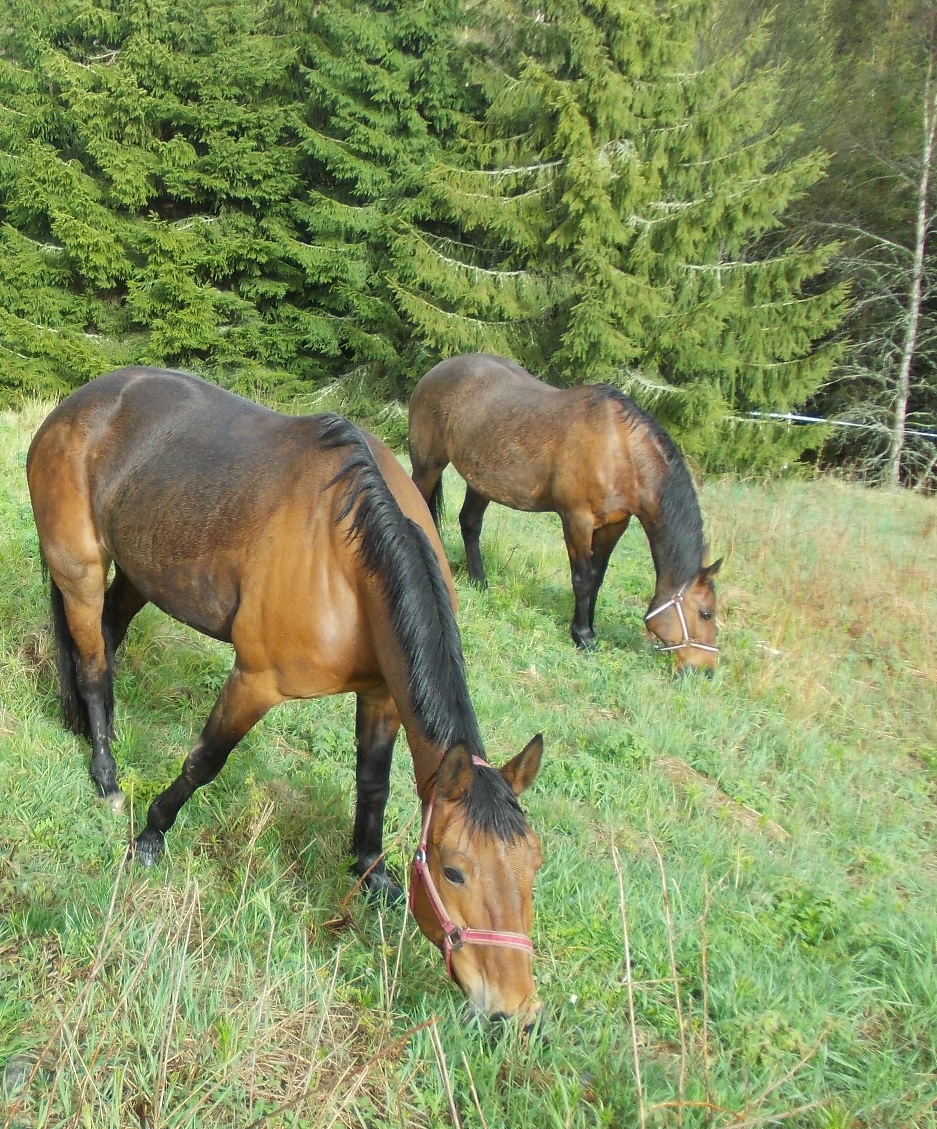
The Landscape of Sport Horse Breeding in Canada
Canadian sport horse breeding is concentrated in three provinces: Ontario, Quebec, and British Columbia. Ontario accounts for the largest volume of registered sport horse foals annually, driven partly by proximity to US markets and a dense network of established breeding farms in the Halton, Wellington, and Simcoe regions. Quebec has a distinct tradition tied to the Standardbred racing industry — Lévis-Lauzon, Trois-Rivières, and the area around Montréal host significant harness breeding operations alongside growing warmblood programs.
British Columbia's sport horse breeding sector is smaller but increasingly oriented toward warmblood-cross programs, particularly in the Fraser Valley and Okanagan regions, where pasture land and mild summers allow longer outdoor seasons than central Canada.
The Canadian Sport Horse Registry
The Canadian Sport Horse Association (CSHA) maintains the primary domestic registry for horses bred and born in Canada and intended for sport competition. Registration requires that at least one parent is registered in a recognized warmblood or thoroughbred studbook. Inspected CSHA horses receive a brand and passport equivalent to European studbook documentation for competition purposes within Canada.
The inspection protocol evaluates horses at three stages: foal inspection (conformation and movement scored against breed standard), young horse performance testing (typically at 3 to 4 years), and studbook approval for stallions and mares destined for breeding. The scoring system uses a 10-point scale for each trait, with minimum thresholds for registration varying by category.
The Canadian Sport Horse Association publishes annual stallion directories and foal registration statistics that reflect market trends in real time.
European Studbook Influence
Most warmbloods competing in Canadian show rings trace through European registries — KWPN (Netherlands), Hanoverian, Oldenburg, and Holsteiner are the most common. These horses arrive in Canada either as embryo-transfer foals from European mares bred to inspected Canadian-resident stallions, or as imported young horses aged 3 to 6 years.
Canadian breeders who maintain approved European stallions often seek dual registration for their foals — recording the horse in both the CSHA and the relevant European studbook. This dual registration allows the horse to be sold into European markets if it does not find a buyer domestically, extending the commercial reach of the breeding program.
The KWPN influence is particularly notable in Ontario jumping circles. Several stallions standing at Ontario facilities carry KWPN-approved status, and their offspring compete across Equestrian Canada circuits from entry level through international. The Hanoverian studbook is dominant in the dressage sector, reflecting that breed's long association with upper-level collection work.

Thoroughbred Contribution to Sport Horse Programs
The Thoroughbred (TB) cross remains a viable and commercially active pathway in Canadian sport horse breeding, particularly for eventing and hunter disciplines. TB stallions are crossed with Warmblood mares to produce horses combining Thoroughbred athleticism and reactivity with the heavier frame and calmer temperament typical of the dam side. This cross is colloquially known as a "Sport Horse" or "Performance Horse" and occupies a mid-price tier below full European Warmbloods.
Ontario's active Thoroughbred racing industry — Woodbine Thoroughbred Park — generates a steady supply of ex-racehorses that enter second careers in sport disciplines. An estimated 800 to 1,200 Thoroughbreds per year transition from Ontario racing into riding disciplines, based on data from the Ontario SPCA and Equestrian Canada estimates. Not all of these go into registered breeding programs, but a portion contribute to crossbreeding pools in the hunter, trail, and lower-level event sectors.
Standardbred Breeding and Its Separate Track
The Standardbred occupies a distinct position in Canadian equestrian culture. Bred primarily for harness racing — both trotting and pacing gaits — Standardbreds are among the most numerous registered horse breeds in Canada. The Standardbred Canada registry, based in Toronto, records upward of 12,000 foals annually, a number that dwarfs warmblood registration by an order of magnitude.
Standardbred stallions and mares are selected almost entirely on speed and gait correctness rather than conformation for riding. Performance testing at licensed tracks, typically beginning at age 2, determines commercial value. The Ontario Sires Stakes program funds purse money for races restricted to Canadian-bred Standardbreds, creating a financial incentive for domestic breeding that does not exist in the warmblood sector to the same degree.
Regional Variation in Breeding Priorities
What a breeder targets in Ontario — typically a horse suitable for the hunter/jumper show circuit — differs from what a breeder in Alberta might emphasize, where ranch horse competitions, reining, and cutting events create demand for Quarter Horse and Paint Horse genetics. Western discipline breeding is largely separate from the warmblood track and governed by distinct registries including the American Quarter Horse Association (AQHA) and the Canadian Paint Horse Association (CPHA).
Alberta and Saskatchewan together account for a substantial portion of Canada's Quarter Horse and working cowboy horse population. These horses are evaluated on cow sense, lateral movement, stopping ability, and ground-tying — traits with no equivalent in warmblood inspection protocols.
Useful References for Canadian Breeders
- Canadian Sport Horse Association — registry, inspection schedules, studbook rules
- Standardbred Canada — harness racing breed registry
- Equestrian Canada — national sport horse development and competition framework
- KWPN Studbook — Dutch Warmblood registry and Canadian affiliate information
Last updated: May 4, 2026.


